
Table of Contents
You eat right, you move, yet the scale will not change. It feels frustrating, almost unfair. After 35, many women start to see this shift. What used to work simply stops working. Around this time, gentle perimenopause weight loss tips start to make more sense than quick fixes or strict diets.
It is not about effort. Most times, it is about balance inside the body. Small hormone shifts start showing up in big ways. That is when hormone issues in women over 35, weight loss problems quietly begin.
What you may be feeling is not losing weight hormone imbalance, something that builds slowly with time and stress. You are not alone. So many women face weight loss resistance in women over 35, not knowing it has more to do with hormones than willpower.
Hormone Issue 1: Estrogen and Weight Gain: What Really Happens
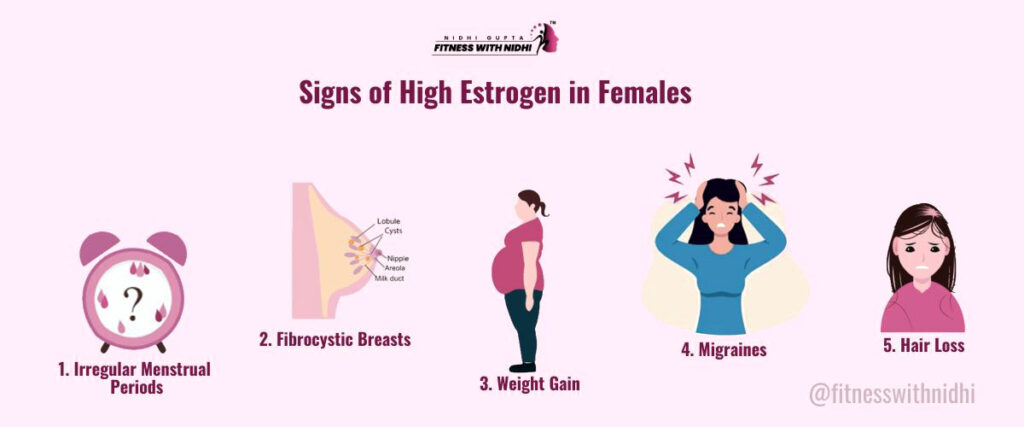
Estrogen has a quiet power. It shapes how a woman feels, looks, and even where the body stores fat.
When the balance changes (whether it rises or drops), you feel the impact. You might notice fat settling around the hips or the belly first. Then come those quiet signs that hint at estrogen dominance symptoms— a bit of bloating, heavier moods, or tenderness that was not there before.
When estrogen runs high, the body starts keeping fat for “later.” When estrogen drops too low, everything slows down a little — the mood, the energy, even how fast food turns to fuel. It is a quiet kind of change that sneaks up. And then comes that bit of hormonal belly fat that simply stays put, no matter what you do.
To balance estrogen naturally, do not rush. Begin with small fixes that feel real for you. Add more fiber to meals — a handful of flax or a bowl of oats. Cut the extra sugar. Sleep when you feel exhausted and walk after dinner.
Hormone Issue 2: Cortisol, the Stress Hormone That Triggers Belly Fat
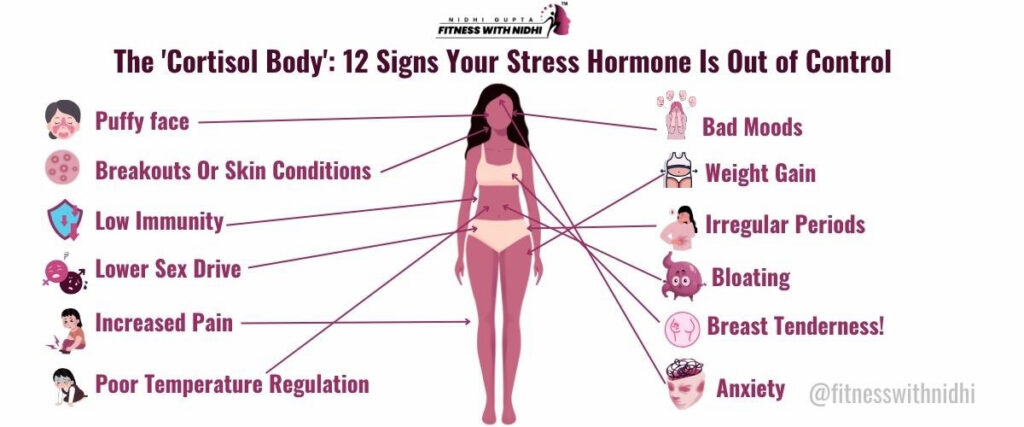
You know those days when you are tired but still wired? The mind keeps going even when the body asks for rest. That is what constant stress does. It pushes up cortisol, the hormone that wakes you up when you need it — but not the one you want hanging around for long. Then slowly, cortisol and belly fat start walking together. The stress turns into cortisol weight gain.
When stress stays high, the body begins to save fuel. A night without sleep, a day full of worry, or even overdoing workouts—all tell the same story. The body listens and thinks, “Maybe I should hold on to this fat for safety.” That is where the loop begins, quietly and stubbornly. It is the reason stress and weight gain feel so connected, even when you eat right.
To reduce cortisol naturally, give yourself small pauses. Sit quietly for five minutes. Walk outside without your phone. Breathe. Rest when you need to. These simple things teach the body to relax again, and that is where balance slowly begins.
Hormone Issue 3: Thyroid: The Master Metabolism Regulator
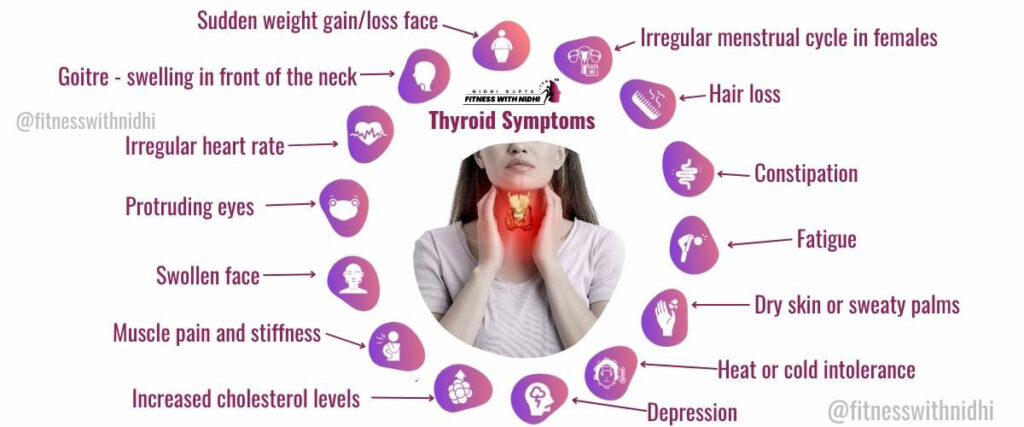
You know that small gland in the neck? The thyroid. It does far more than people think. When it slows down, everything changes. It leads to fatigue (which you feel as soon as you wake up in the morning). Some even feel moodless.
The metabolism slows down after 35. The scale climbs, hair thins, and hands stay cold. That is why thyroid weight gain in women often slips in quietly. It looks like age or stress, but it is really the body asking for a bit more care.
When the thyroid struggles, energy dips, and fat begins to build. Many women experience hypothyroidism and weight gain without knowing the real cause. It is not about food alone—it is that small gland asking for care.
For better thyroid health for women, slow down a little. Try to eat warm, simple meals instead of quick snacks on the go. It helps the body feel settled. Add small things that quietly help your thyroid.
When you stop rushing, the thyroid starts to find its rhythm again—and your energy quietly returns.

How do You Balance Hormones for Weight Loss After 35?
You do not have to change everything if you want to learn how to balance hormones for weight loss. Just small shifts here and there. They add up quietly. Think of three steady pillars — food, stress, and how you move.
Start with food first. Eat what keeps you full for longer, not what only fills a plate. Add a little more protein. A spoon of good fat. Some fiber that slows hunger down. These are the real hormonal weight loss tips that make a difference over time.
Now, about stress. It sneaks in from everywhere — late nights, skipped meals, too much noise. Slow down where you can. Sit with your food. Take a small walk after, maybe just breathe a little longer than usual. These little things balance hormones for weight loss far better than harsh diets ever do.
They also help ease insulin resistance, and weight loss becomes smoother once the body starts trusting you again.
And if your body still holds on, check your hormones. Testing gives answers, not guesses, and helps plan safe weight loss after 35 that actually lasts.
Sometimes You Just Need Guidance and That Is Okay
There are times when you have tried everything, but your weight loss efforts do not show results. That is when a little guidance helps.
You might think about getting hormone testing for women done, just to know where things stand. You can start small. Maybe get a simple check done — hormone testing for women. Nothing big, just a way to see what is really happening inside. One small result can explain a lot.
If things still feel off, reach out for professional help for weight loss. It does not mean you are giving up. It only means you are open to a little help from someone who knows this better.
You could begin with your regular doctor, just to talk things through. Also, a nutritionist who understands hormones can help you slow down and make things easier.
Good hormone health is not about doing more. It is about noticing what your body whispers before it starts to shout.
It means you are willing to listen before the body shouts for attention. Once you start doing that, change no longer feels like a fight; it feels like progress.

Conclusion
Your body is not broken. It is only trying to speak in its own way. The tiredness, the extra fat, the slow mornings—they are not random. They are quiet signals.
These three hormone issues are the primary factors: Estrogen, cortisol, and thyroid. They each change how your body makes energy and how it keeps fat in certain spots. When they drift out of line, hormone imbalance and weight gain follow, even when you are trying your best.
So next time you think, “Why am I not losing weight?” do not rush to blame yourself. Think balance instead. Take it slow. Eat food that truly feeds you. Rest when possible. Walk and breathe in slowly. Let your body energize.
Start with one small change. Balance comes slowly, and once it does, the weight starts to follow on its own.